JavaLongAdder原理
LongAdder 是并发大师 @author Doug Lea (大哥李)的作品,设计的非常精巧
LongAdder 类有几个关键域:
// 累加单元数组, 懒惰初始化
transient volatile Cell[] cells;

// 基础值, 如果没有竞争, 则用 cas 累加这个域
transient volatile long base;

// 在 cells 创建或扩容时, 置为 1, 表示加锁
transient volatile int cellsBusy;
cellsBusy原理(CAS锁):
// 不要用于实践!!!
public class LockCas {
    // 0表示未上锁,1表示已上锁
    private AtomicInteger state = new AtomicInteger(0);

    public void lock() {
        // 循环至获取锁
        while (true) {
            if (state.compareAndSet(0, 1)) {
                break;
            }
        }
    }

    public void unlock() {
        log.debug("unlock...");
        state.set(0);
    }
}
原理之伪共享
其中 Cell 即为累加单元
// 防止缓存行伪共享
@sun.misc.Contended
static final class Cell {

    volatile long value;

    Cell(long x) { value = x; }

    // 最重要的方法, 用来 cas 方式进行累加, prev 表示旧值, next 表示新值
    final boolean cas(long prev, long next) {
        return UNSAFE.compareAndSwapLong(this, valueOffset, prev, next);
    }

    // 省略不重要代码
}
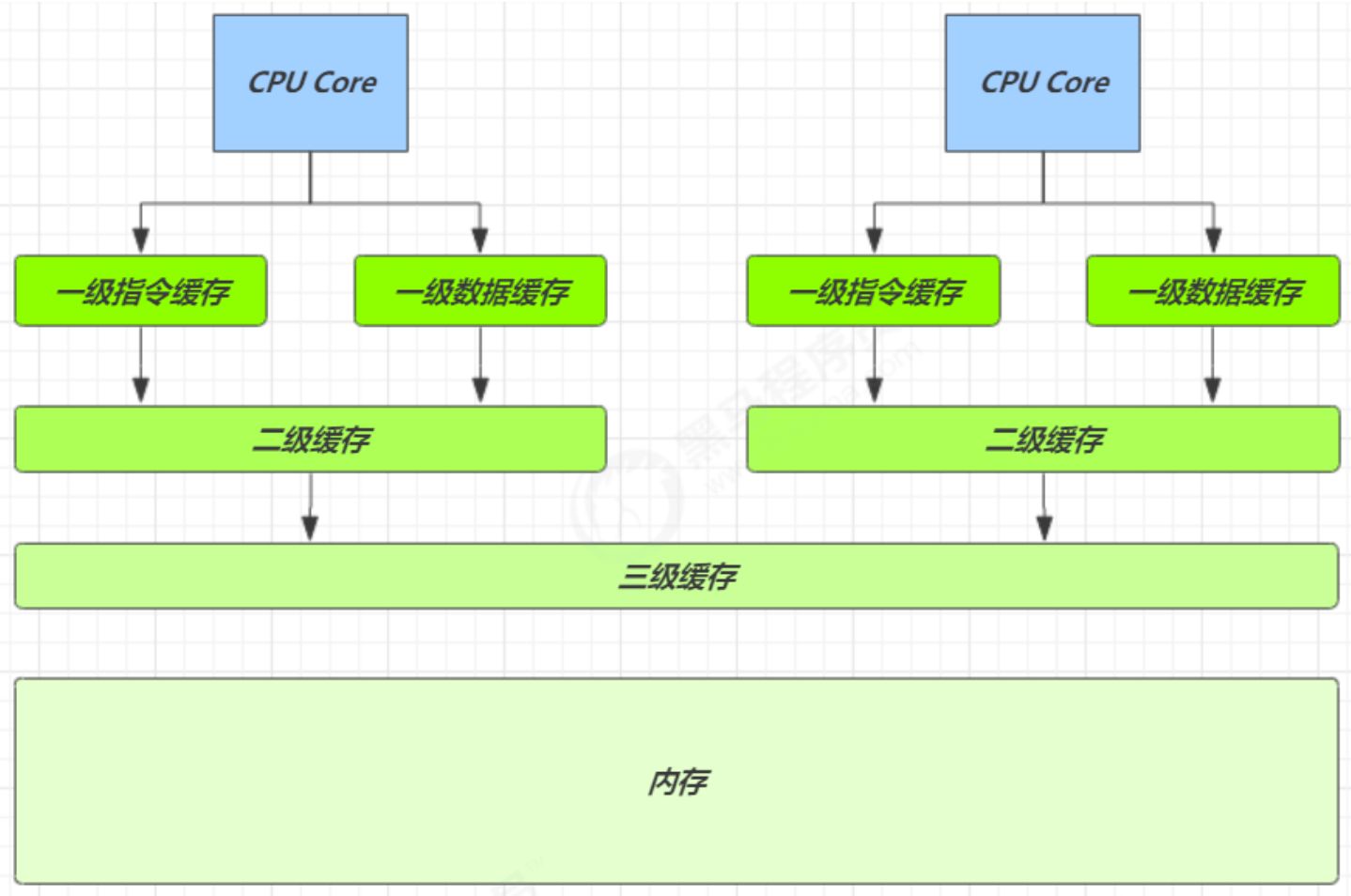
因为 CPU 与 内存的速度差异很大,需要靠预读数据至缓存来提升效率。
| 从 cpu 到 | 大约需要的时钟周期 |
|---|---|
| 寄存器 | 1 cycle (4GHz 的 CPU 约为0.25ns) |
| L1 | 3~4 cycle |
| L2 | 10~20 cycle |
| L3 | 40~45 cycle |
| 内存 | 120~240 cycle |
而缓存以缓存行为单位,每个缓存行对应着一块内存,一般是 64 byte(8 个 long)。
缓存的加入会造成数据副本的产生,即同一份数据会缓存在不同核心的缓存行中。
CPU 要保证数据的一致性,如果某个 CPU 核心更改了数据,其它 CPU 核心对应的整个缓存行必须失效。
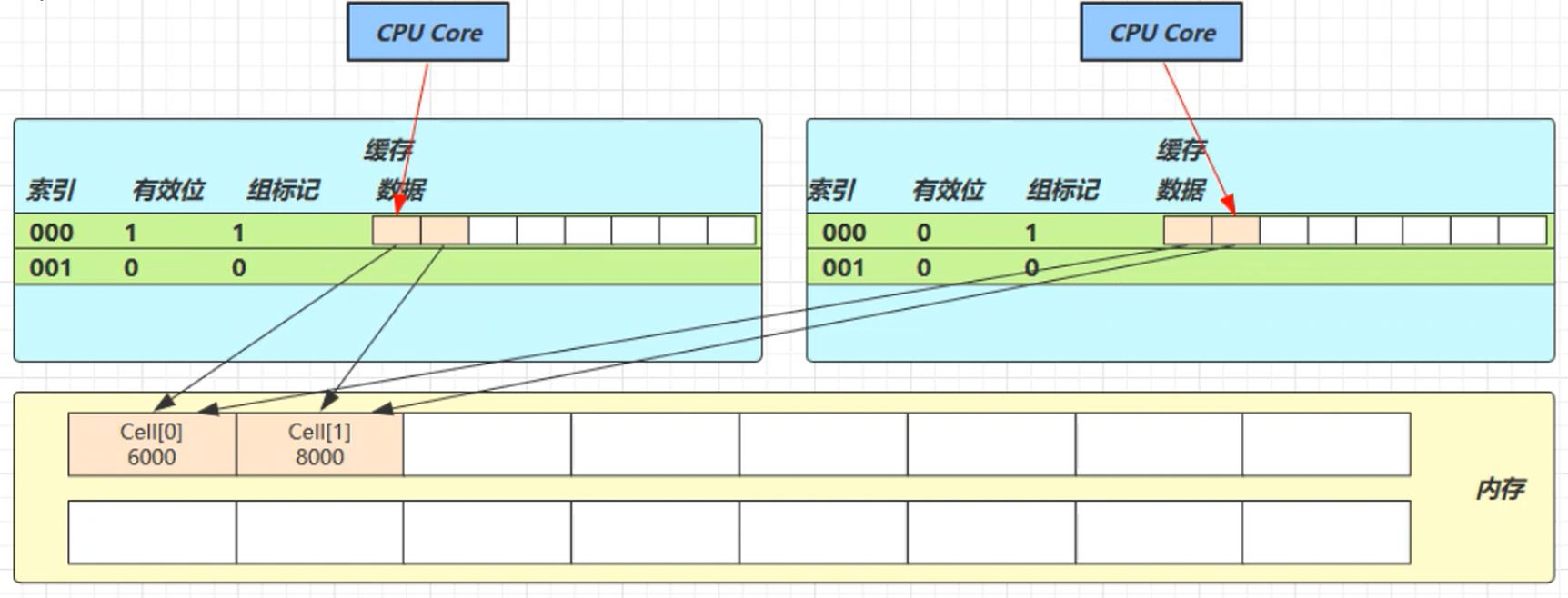
因为 Cell 是数组形式,在内存中是连续存储的,一个 Cell 为 24 字节(16 字节的对象头和 8 字节的 value),因此缓存行可以存下 2 个的 Cell 对象。这样问题来了:
Core-0要修改Cell[0]Core-1要修改Cell[1]
无论谁修改成功,都会导致对方 Core 的缓存行失效,比如 Core-0 中 Cell[0]=6000, Cell[1]=8000要累加Cell[0]=6001, Cell[1]=8000,这时会让 Core-1 的缓存行失效
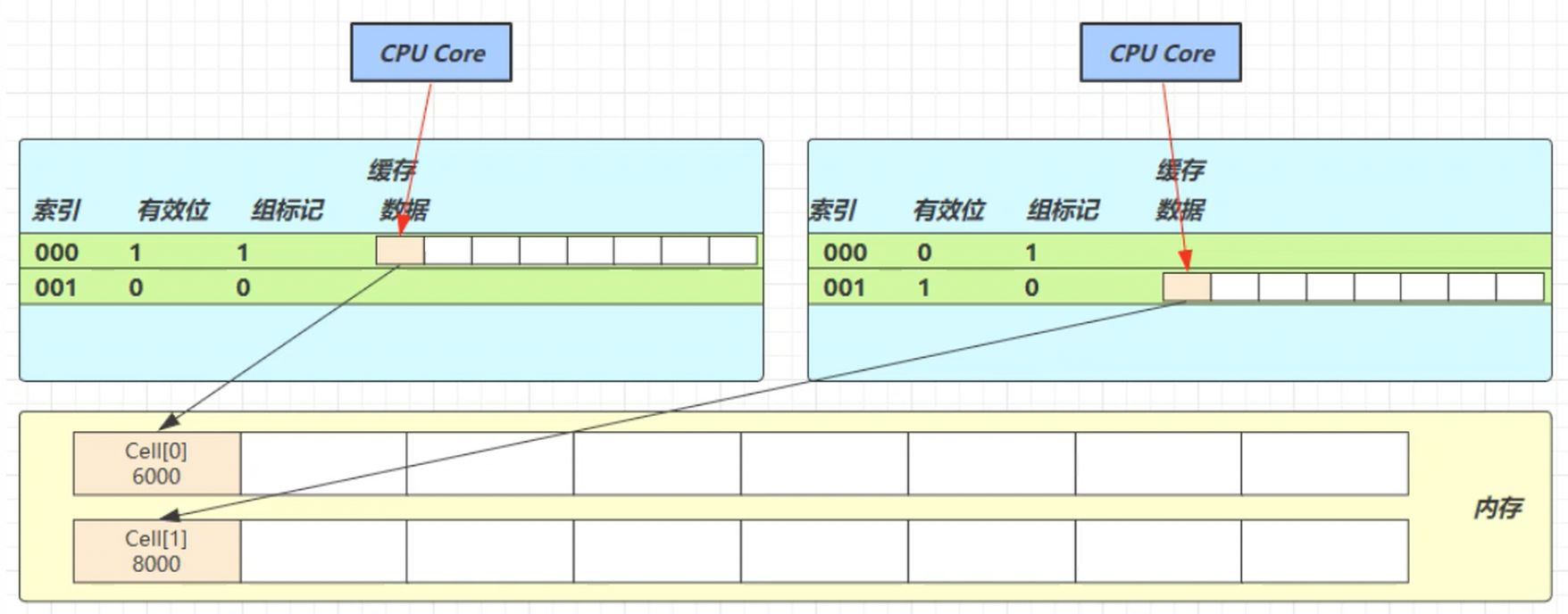
@sun.misc.Contended用来解决这个问题,它的原理是在使用此注解的对象或字段的前后各增加 128 字节大小的padding,从而让 CPU 将对象预读至缓存时占用不同的缓存行,这样,不会造成对方缓存行的失效。
累加
public void add(long x) {

    // as 为累加单元数组
    // b 为基础值
    // x 为累加值
    Cell[] as; long b, v; int m; Cell a;
    // 进入 if 的两个条件
    // 1. as 有值, 表示已经发生过竞争, 进入 if
    // 2. cas 给 base 累加时失败了, 表示 base 发生了竞争, 进入 if
    if ((as = cells) != null || !casBase(b = base, b + x)) {
        // uncontended 表示 cell 没有竞争
        boolean uncontended = true;

        if (
            // as 还没有创建
            as == null || (m = as.length - 1) < 0 ||
            // 当前线程对应的 cell 还没有
            (a = as[getProbe() & m]) == null ||
            // cas 给当前线程的 cell 累加失败 uncontended=false
            // ( a 为当前线程的 cell )
            !(uncontended = a.cas(v = a.value, v + x))
        ) {
            // 进入 cell 数组创建、cell 创建的流程
            longAccumulate(x, null, uncontended);
        }
    }
}
longAccumulate
final void longAccumulate(long x, LongBinaryOperator fn,
    boolean wasUncontended) {

    int h;
    // 当前线程还没有对应的 cell, 需要随机生成一个 h 值用来将当前线程绑定到 cell
    if ((h = getProbe()) == 0) {
        // 初始化 probe
        ThreadLocalRandom.current();
        // h 对应新的 probe 值, 用来对应 cell
        h = getProbe();
        wasUncontended = true;
    }

    // collide 为 true 表示需要扩容
    boolean collide = false;

    for (;;) {
        Cell[] as; Cell a; int n; long v;
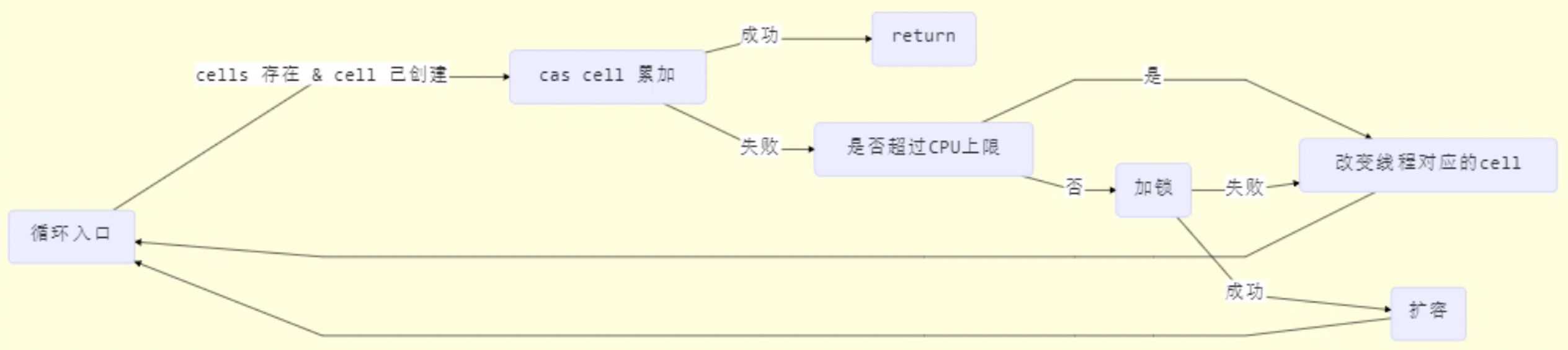
        // 已经有了 cells 走下图2的流程 ---------------->
        if ((as = cells) != null && (n = as.length) > 0) {
            // 还没有 cell
            if ((a = as[(n - 1) & h]) == null) {
                // 为 cellsBusy 加锁, 创建 cell, cell 的初始累加值为 x
                // 成功则 break, 否则继续 continue 循环
                // 代码省略....
                collide = false;
            }
            // 有竞争, 改变线程对应的 cell 来重试 cas
            else if (!wasUncontended)
                wasUncontended = true;
            // cas 尝试累加, fn 配合 LongAccumulator 不为 null, 配合 LongAdder 为 null
            else if (a.cas(v = a.value, ((fn == null) ? v + x : fn.applyAsLong(v, x))))
                break;
            // 如果 cells 长度已经超过了最大长度, 或者已经扩容, 改变线程对应的 cell 来重试 cas
            else if (n >= NCPU || cells != as)
                collide = false;
            // 确保 collide 为 false 进入此分支, 就不会进入下面的 else if 进行扩容了
            else if (!collide)
                collide = true;
            // 加锁
            else if (cellsBusy == 0 && casCellsBusy()) {
                // 加锁成功, 扩容 走图3的流程 ------------------>
                continue;
            }
            // 改变线程对应的 cell
            h = advanceProbe(h);
        }

        // 还没有 cells, 尝试给 cellsBusy 加锁 走图1的流程 ------------------>
        else if (cellsBusy == 0 && cells == as && casCellsBusy()) {
            // 加锁成功, 初始化 cells, 最开始长度为 2, 并填充一个 cell
            // 成功则 break;
        }

        // 上两种情况失败, 尝试给 base 累加
        else if (casBase(v = base, ((fn == null) ? v + x : fn.applyAsLong(v, x))))
    break;

}

}
图1:

图2:

图3:
Last updated on